
30 Sep 2026
house during the fall Winterized Landscape Plants & Foliage

Fall Lawn Care Tips: Aeration, Overseeding, and Weed Control

Quick answer: The best time to aerate and overseed a lawn in PA and NJ is September through October, while the soil is still warm and nights are cool. Fall is also the ideal season to mulch fallen leaves and apply fertilizer or weed control, since these steps repair summer damage and set the lawn up for a healthy spring.

Preparing your lawn in the fall is one of the most important steps toward a healthy yard next spring. As temperatures cool and the growing season winds down, it's the ideal time to evaluate the damage caused by summer heat, drought, and foot traffic, and to take the steps that will repair and protect your lawn before winter. Below, Blue Grass Lawn Service & Landscaping, Inc. breaks down the four things every homeowner should do this fall: aerate and overseed, mulch leaves, fertilize and control weeds, and mow and water correctly.

Why Is Fall the Best Time for Lawn Care?

Fall conditions - warm soil, cool air, and dying annual weeds - create the best environment of the year for grass to recover and take root. Spring soil, by contrast, is still cold and compacted, and dormant weeds are about to start their growth cycle. Cooler days and nights between September and October help new grass seed retain moisture, while fewer weeds compete with it for space and nutrients. That combination is why lawn care professionals treat fall, not spring, as the true start of next year's lawn.

Tip #1: Aerate and Overseed Your Lawn

Aeration is the process of creating thousands of small holes across the lawn so that water, air, and nutrients can reach grass roots more easily. Over the summer, soil becomes compacted from heat, heavy rain, and foot traffic, which makes it harder for those essentials to get through. Overseeding after aeration fills in thin or bare patches, thickens the lawn, and builds resistance to insects and disease, because the fresh holes create an ideal seedbed while also relieving compaction underneath the new grass.

When should you aerate and overseed?

The best window is September through October, while the ground is still warm enough for seeds to germinate but weeds have largely stopped competing for space. Aerating too early, while summer weeds are still active, or too late, once the soil turns cold, reduces how well new seed takes hold.

How Blue Grass Lawn Service & Landscaping, Inc. approaches aeration

Blue Grass Lawn Service & Landscaping, Inc. uses ride-on core aerators with heavy, weighted tines to perforate the soil with thousands of small holes, pulling out real plugs of soil rather than simply poking the surface. That deeper penetration lets grass seed grow down into the soil instead of sitting on top of it, so new grass germinates faster and develops stronger, deeper roots.

Pro tip: Before aeration day, mark any in-ground sprinkler heads and clear the yard of hoses, toys, or furniture — aerators can seriously damage irrigation equipment they can't see.

Tip #2: Mulch Fallen Leaves

Fall's color change is one of the season's most enjoyable qualities, but once leaves hit the ground, they become a problem for your lawn. A thick layer of fallen leaves blocks sunlight from reaching the grass underneath, which weakens and thins it — and leaves can pile up even on properties with few trees, carried in by wind from elsewhere. Mulching leaves with a mower, rather than bagging or raking them away, breaks them down into small pieces that return nutrients to the soil while still letting sunlight and air reach the grass.

Tip #3: Fertilize and Control Weeds

Fall is one of the most effective times of year to get ahead of dandelions and other annual and perennial weeds, because treating them now helps prevent them from returning in spring. Fertilizing at the same time gives grass the nutrients it needs to grow strong roots before winter, helping it survive cold weather and come back thicker and more weed-resistant next season.

A few timing details matter here: crabgrass preventer should never be applied at the same time as new grass seed, since it stops seeds from germinating along with the weeds. Similarly, weed control for dandelions, clover, and other broadleaf weeds should wait until new grass has germinated and been mowed three or four times, so it doesn't damage the young seedlings.

Tip #4: Mow and Water Correctly After Seeding

Newly seeded lawns need a different mowing and watering routine than an established lawn. Wait at least a week after seeding before the first mow, and cut to a height of 2.5 to 3 inches, leaving the clippings on the lawn to return nutrients to the soil. New seed also needs consistent moisture — light, frequent watering is best right after seeding, tapering to about one inch of water every other week as the grass establishes.

Frequently Asked Questions About Fall Lawn Care

When should I aerate my lawn in the fall?

The ideal window for aeration and overseeding is September through October. Warm soil and cool nights during this period give grass seed the best chance to germinate before winter, while dormant weeds are less likely to compete for space.

Can I fertilize and apply weed control at the same time in the fall?

Yes, fertilizing and weed control are often done together in the fall, since both help the lawn recover from summer stress and prevent weeds from returning in spring. The one exception is newly seeded areas: avoid crabgrass preventer when seeding, and hold off on broadleaf weed control until the new grass has been mowed three or four times.

Should I rake or mulch fall leaves?

Mulching is generally better than raking for lawn health. A mower that shreds leaves into small pieces returns nutrients to the soil while still letting sunlight reach the grass, whereas a thick layer of whole leaves left on the lawn can block light and weaken the turf underneath.

How much water does new grass seed need?

New seed needs light, frequent watering right after it's planted to keep the soil surface consistently moist. As the grass establishes, that can taper to about one inch of water every other week.

How long has Blue Grass Lawn Service & Landscaping, Inc. been serving this area?

Blue Grass Lawn Service & Landscaping, Inc. has provided lawn care services to homeowners and property owners throughout Bucks and Montgomery counties in Pennsylvania and Mercer County, New Jersey for over 40 years.

Get Professional Help With Fall Lawn Preparation

Preparing a lawn for winter takes real time and precision, and it's easy for DIY aeration, seeding, or weed control to fall short without the right equipment, products, and timing. Blue Grass Lawn Service & Landscaping, Inc. has provided fall lawn services to home and property owners in New Jersey and Pennsylvania for over 40 years. If you'd like help preparing your lawn this fall, reach out to our team today.
01 Sep 2026
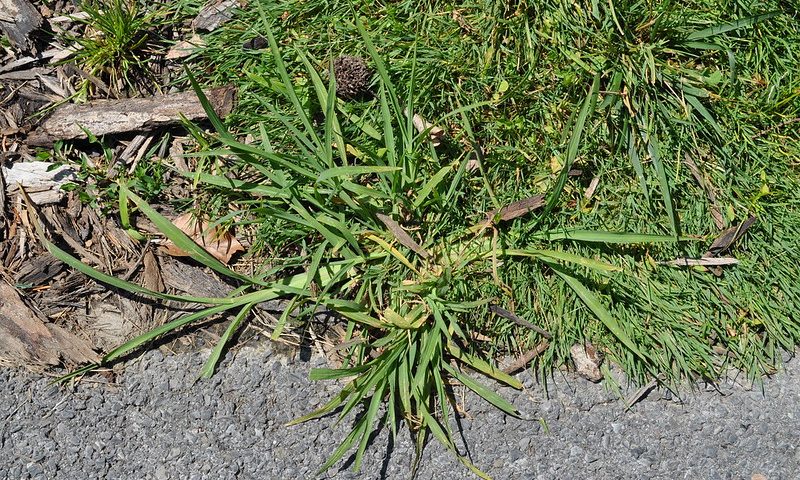
image of crabgrass

How to Get Rid of Crabgrass in Pennsylvania and New Jersey

To get rid of crabgrass in PA and NJ, apply a pre-emergent herbicide in early-to-mid spring before soil temperatures trigger germination, treat any plants that still emerge with a post-emergent herbicide, and thicken the lawn through proper mowing, watering, and overseeding so crabgrass has fewer bare spots to colonize. Crabgrass is a warm-season annual grass that commonly appears in thin or stressed lawns during summer in PA and NJ, which is why lawn density plays such a large role in long-term control.

Understanding the Crabgrass Growth Cycle

The first step to effectively treating your crabgrass problem is understanding how it grows. Crabgrass is a warm-season annual weed. Its seeds typically begin germinating in the spring as soil temperatures warm, with additional germination possible into early or midsummer. The plants grow throughout the summer, produce seeds later in the season, and die after the first hard frost. 

Crabgrass is especially likely to establish in areas where the lawn is thin, weak, compacted, or otherwise stressed. When the turf does not fully cover the soil, more sunlight reaches the ground and creates favorable conditions for crabgrass seeds to germinate.

Although each crabgrass plant lives for only one growing season, mature plants can produce up to 150,000 seeds during the growing season. Some of those seeds may remain dormant in the soil and germinate during a future growing season when conditions are favorable. This is why effective crabgrass control requires more than treating the plants you can currently see. A long-term strategy should prevent as many seeds as possible from germinating, control young plants before they produce additional seed, and strengthen thin areas of the lawn where crabgrass is most likely to return.

What is the difference between pre-emergence and post-emergence treatments?

The main difference is that pre-emergence treatment prevents crabgrass from establishing. Post-emergence treatment targets plants that have already emerged. Many lawns need a season-long strategy that includes both prevention and selective treatment. Both pre-emergence and post-emergence treatments can help control crabgrass. However, properly timed pre-emergence treatment is generally the most effective way to prevent a widespread crabgrass problem, while post-emergence treatment is used to control plants that have already appeared.

Treatment What it does When it is used
Pre-emergence Prevents many crabgrass seeds from successfully establishing Before crabgrass germinates in spring
Post-emergence Controls crabgrass plants that are already visible During the growing season, while plants are actively growing

Preventing Crabgrass with Pre-Emergent Treatment

Pre-emergent treatment is the foundation of an effective crabgrass-control plan. Unlike post-emergent products, which target crabgrass that is already visible, pre-emergent herbicides create a barrier in the soil that prevents newly germinated crabgrass seedlings from becoming established.

With this type of treatment, timing is critical. Pre-emergent treatment must be applied before crabgrass seeds begin to germinate. In Pennsylvania and New Jersey, the ideal application window can vary depending on the location, spring temperatures, soil conditions, and the specific product being used. Penn State Extension notes that crabgrass pre-emergent applications may begin as early as mid-March in some parts of Pennsylvania and occur later in cooler areas. For Southeastern PA, the timeframe is generally between March 15 - April 15, but yearly weather conditions will affect this.

Once applied, most pre-emergent products must be watered into the soil according to the label instructions. The treatment barrier can also be disrupted by digging, aeration, or other soil disturbance, potentially creating areas where crabgrass can emerge.

It is also important to consider any plans for seeding or overseeding the lawn. Many pre-emergent herbicides can prevent desirable grass seed from establishing along with crabgrass, so the timing of weed prevention and lawn renovation must be coordinated carefully.

Pre-emergent treatment can significantly reduce crabgrass, but it does not eliminate every seed or correct the conditions that allowed crabgrass to thrive. The best long-term results come from combining properly timed treatment with practices that encourage a thick, healthy lawn, such as appropriate mowing, fertilization, watering, and repair of thin or bare areas.

Blue Grass Lawn Service & Landscaping applies crabgrass pre-emergent twice - once in early spring and again in late spring -as part of both of our lawn care plans to provide more consistent protection throughout the growing season. The first application helps prevent crabgrass seeds from germinating as soil temperatures begin to rise. The second application overlaps with and extends that protection later into the summer, when changing weather conditions can reduce the effectiveness of a single treatment. By using this two-application approach, Blue Grass Lawn Service & Landscaping creates a longer-lasting pre-emergent barrier and helps reduce the likelihood of crabgrass breaking through before its growing season ends.

Treating Existing Crabgrass with Post-Emergent Treatment

Once crabgrass has appeared in a lawn, a post-emergent treatment may be used to control the actively growing plants. Unlike pre-emergent products, which prevent new seedlings from becoming established, post-emergent herbicides are applied directly to crabgrass that has already emerged.

Timing still matters. Young crabgrass is generally easier to control than mature plants that have produced multiple shoots or begun developing seedheads. Penn State Extension notes that post-emergent herbicides can be applied specifically to areas where summer annual grassy weeds have emerged, rather than treating the entire lawn unnecessarily.

Different post-emergent products use different active ingredients and are not equally suitable for every lawn. Product selection may depend on the type of turfgrass, the size and maturity of the crabgrass, weather conditions, and whether the lawn will be seeded or overseeded. Some crabgrass infestations may also require more than one application for satisfactory control.

Post-emergent treatments tend to work best when crabgrass is actively growing and the surrounding lawn is not under severe heat or drought stress. Applying an unsuitable product, treating mature plants too late in the season, or failing to follow label directions can lead to poor control or damage to desirable grass.

Although post-emergent treatment can reduce existing crabgrass, it does not prevent additional seeds in the soil from germinating in future growing seasons. For lasting results, it should be combined with properly timed pre-emergent treatment and lawn-care practices that encourage thick, healthy turf.

How a Healthier Lawn Helps Prevent Crabgrass

Crabgrass is opportunistic, which means it is most likely to establish where the lawn is thin, weak, or bare. In these areas, there is less competition from desirable grass, more exposed soil, and more sunlight reaching the ground, all of which create favorable conditions for crabgrass seeds to germinate and grow.

A thick, healthy lawn helps crowd out crabgrass by occupying the available space and competing for sunlight, water, and nutrients. Overseeding thin areas can improve turf density and reduce the open spaces where crabgrass and other weeds are likely to take hold. Combined with proper mowing, watering, fertilization, and soil care, maintaining dense turf is one of the most important long-term strategies for reducing future crabgrass problems.

When to Call a Lawn Care Professional for Crabgrass

Effective crabgrass control involves more than applying a weed-control product. A lawn care professional can identify the grassy weed correctly, evaluate how mature it is, and determine whether pre-emergent treatment, post-emergent treatment, or a combination of approaches is most appropriate.

A professional can also consider factors that may be contributing to the problem, including thin turf, compacted soil, mowing practices, heat stress, and bare areas where crabgrass can become established. This makes it possible to address both the visible weeds and the lawn conditions that may allow them to return.

Blue Grass Lawn Service & Landscaping has more than 43 years of experience caring for lawns in Pennsylvania and New Jersey, including Bucks County and the surrounding communities in both states. Our long-standing, trained staff uses only high-quality products and applies treatments according to the condition of the lawn, the stage of crabgrass growth, and the needs of the surrounding turf.

Because crabgrass control often requires proper timing and follow-up care, working with an experienced lawn care team can help homeowners avoid ineffective treatments, reduce the risk of damaging desirable grass, and build a healthier, thicker lawn that is better able to resist future weed growth.

Frequently Asked Questions About Crabgrass Control

How do I get rid of crabgrass permanently?

No single treatment removes crabgrass permanently, since new seeds can blow in or lie dormant in the soil for years. The most reliable long-term approach combines a properly timed pre-emergent application each spring, prompt post-emergent treatment of any plants that break through, and lawn-care practices such as mowing height, watering, and overseeding that keep turf thick enough to crowd crabgrass out.

When should I apply crabgrass pre-emergent in PA and NJ?

In Southeastern Pennsylvania and New Jersey, pre-emergent is generally applied between mid-March and mid-April, before soil temperatures rise enough for crabgrass seeds to germinate. Exact timing shifts slightly from year to year based on spring weather, which is why Blue Grass Lawn Service & Landscaping applies it in two rounds for more consistent coverage.

Can I overseed my lawn if I've already applied pre-emergent?

Not without careful timing. Most pre-emergent herbicides prevent grass seed from establishing along with crabgrass seed, so overseeding usually needs to happen either well before the pre-emergent application or several weeks after it, depending on the product label.

Does mowing high help control crabgrass?

Yes. Mowing at a higher height helps desirable turf shade the soil surface, which reduces the sunlight crabgrass seeds need to germinate. Combined with proper watering and fertilization, taller mowing is one of the simplest ways to make a lawn less hospitable to crabgrass.

Learn more about our treatment plans or give us a call at (215) 364-7000 for a FREE quote!


Featured Image: "Large crabgrass," by  NY State IPM Program at Cornell University, licensed under CC BY 2.0.

06 Apr 2026

Tips for Recovering a Dormant Lawn

A dormant lawn can be one of the more unsightly attractions for homeowners. Everyone wants their lawn to look healthy and vibrant. However when dealing with a dormant lawn, the grass will look brown and withered. This is a stark contrast to the green and lush appearance of a healthy lawn that every homeowner attempts to maintain. The keys to recovering your dormant lawn include watering deeply and infrequently, mowing high (don’t cut the grass too short), removing grass carefully, mulching instead of bagging, and if you really can’t keep up with watering when the weather turns really hot, allowing your grass go dormant.

What causes a dormant lawn?

In many instances, lawn dormancy is caused by outside factors that are out of the lawn keeper’s control. Grass entering the dormancy phase essentially means that your lawn is going to sleep for an extended period of time.

Dormancy is a naturally occurring cycle that all types of grasses will employ, in an effort to conserve water and nutrients. Oftentimes this cycle will occur during the winter, but it can also happen during longer periods of drought in the warmer months as well. When a lawn goes dormant, one might think that there is no way of bringing it back to a healthy state. However, there are measures that can be taken to revive the dormant grass and return to its natural green appearance. Continue reading to learn more about our tips for recovering a dormant lawn. 

How can you recover your dormant lawn?

Water deeply and infrequently. If you’re going to water your lawn, then deep, infrequent watering will go a long way to help lawns cope with dry conditions. Early morning watering (5 a.m. to 9 a.m.) is ideal. This ensures the grass gets the moisture it needs and reduces evaporation. Watering your lawn late in the day or a night causes fungus and disease to attack your lawn. A  weakened lawn most certainly does not need more stress by keeping your lawn wet while it is dark.

Mow high. For some homeowners, there is a temptation to cut the grass short so that you don’t need to mow as often, however, this can have negative consequences. Mowing too short during dry conditions can injure or wear out dormant grasses to the point where they may not come back during cooler conditions. It will also further stress your lawn causing it to be more susceptible to fungus and disease damage. Mowing high gives the lawn a deeper and larger root system, keeps moisture in, defends against weeds, and keeps the soil cooler, so during dry times, set your mower height to 3 to 4 inches.

Mulch instead of bagging. Mulch your lawn instead of bagging the clippings. Grass clippings serve as a kind of organic mulch that helps soil retain moisture, control weed growth, and release nutrients as it decomposes.

Maintain your lawn equipment. Sharpen your lawn mower blades twice a  year. A dull blade tears at the grass, forcing it to use 40–60% more water to recover.

Remove grass carefully. Just as a reminder, never remove more than one-third of the grass at one time. It will cause too much stress on the grass. So, even if looking out at your brown lawn causes you grief, take these recommended steps instead of ripping it all out.

If you can’t water regularly, let your lawn go dormant when the weather turns hot. Dormancy means active shoot growth will stop. Grasses may turn brown, and some may die, but the crown, rhizomes, and roots are still alive. 

During this time, you want to apply just enough water to keep the turf alive until conditions improve. The best recommendation when the lawn is in dormancy is to provide a ¼ to ½ inch of water every two to four weeks. Keep an eye on the weather conditions, because you do not want to bring the turf out of dormancy too early. Breaking dormancy early actually will drain reserves within the plant if conditions remain dry. Once it cools down or rain starts to fall, shoot growth will begin again, and the lawn will green up.

During this time, you want to apply just enough water to keep the turf alive until conditions improve. The best recommendation when the lawn is in dormancy is to provide a ¼ to ½ inch of water every two to four weeks. Keep an eye on the weather conditions, because you do not want to bring the turf out of dormancy too early. Breaking dormancy early actually will drain reserves within the plant if conditions remain dry. Once it cools down or rain starts to fall, shoot growth will begin again, and the lawn will green up.

Maintaining a lawn during a drought takes a bit more care than usual. When you implement these tips for recovering a dormant lawn, you will help keep the turf healthy during the worst periods of any extended dry spell.

FAQs about maintaining your lawn

If you need further assistance with maintaining your lawn, reach out to a professional lawn care service. Blue Grass Lawn Service & Landscaping Inc. has been providing their lawn services to homeowners in New Jersey and Pennsylvania for over 40 years.

Need some more help? Reach out today to talk with our lawn care experts!

17 Jun 2025

Best Lawn Fertilizers for Summer in PA and NJ

Summers in Southeastern Pennsylvania and New Jersey are ideal for time outside with friends and family. That means your outdoor living space, including your lawn and landscaping, need to look and feel perfect for entertaining. Your lawn’s summer health, which ensures vibrant color, depends on proper care and fertilization. 

Summer is the most stressful time of year for lawns in this region. The weather tends to make wide swings between heavy rain, periods of drought, and severe heat. Plant life, and the soil that feeds it, suffers under all these extremes! The right summer fertilizer techniques are key to maintaining a healthy, lush lawn throughout the summer months in Bucks, Montgomery, Mercer, and Burlington Counties.

Why Summer Fertilization Matters for Your Lawn

If great color and consistency across your lawn are the ultimate goal for your summer home oasis, it is crucial to provide healthy growing conditions. Lawn care professionals like our experts at Blue Grass Lawn Service & Landscaping, Inc. understand that vibrant color and steady growth are the result of nutrient rich and pest free soil. We have spent over 40 years developing effective treatment methods to support lawns that withstand every test of summer.

Many homeowners recognize that summer can be a damaging time for their lawns. From intense weather to heavy foot traffic, insects, and weeds, the grass and soil are under a great deal of stress. Summer fertilizers are specially formulated to address all of these issues so that lawns are more resilient throughout the season. Fertilized soil causes grass to grow in from strong roots, which helps it maintain color in a variety of weather conditions.

Many retail fertilizers focus on green color and rapid growth. While these products might produce quick results, they need constant re-application to sustain the look and growth. They are not made to promote the overall health of the turf, roots, and plants. They also remain at the topsoil level of the lawn, quickly washing away with every summer rainstorm. Homeowners find themselves battling brown spots, dead patches, overgrowth, annoying bugs, and fungus instead of relaxing and enjoying their yard. 

Proper fertilization, using professionally prepared formulas, gets to the literal bottom of the lawn in order to generate an optimal growing environment that becomes easier to maintain year after year. 

Key Considerations for Summer Lawn Fertilizers

Lawns, and the soil beneath them, require different types of fertilization throughout the year. Leading up to and during the active summer growing season, lawns need fertilizers that will combat fungus, disease, insects, drought, and excess moisture.

Fertilizers for summer contain turf enriching ingredients that support root development so that top growth is consistent and strong rather than rapid and weak. Ideal summer fertilizers release steady nitrogen, potassium, phosphorus, iron and other minerals so that the soil provides steady nutrients and protection to grass roots all season. A properly nourished base is resilient against fungus, preserves moisture during dry spells, enhances chlorophyll production, and regulates growth. What homeowners see is a lush, vibrant lawn that makes outside time a joy for every summer activity.

As part of our 8 Step Lawn Care Program, Blue Grass Lawn Service & Landscaping, Inc. applies fertilizer multiple times a year. Each application is specially formulated to the season and environmental factors affecting the property. Since our office is located right in the middle of our service area of Bucks and Montgomery Counties in Pennsylvania and Mercer and Burlington Counties in New Jersey, we fully understand the seasonal conditions that our clients are facing. Our highly qualified technicians work closely with homeowners to identify specific problem areas and risks before recommending effective treatment and service plans.

Summer fertilizers should be applied starting in June, even before the official first day of summer. The essential nutrients and minerals will quickly get to work feeding the soil and preparing the roots for an unpredictable season of heat, rain, and drought. Blue Grass Lawn Service & Landscaping, Inc. schedules treatments with seasonal timing in mind so that homeowners quickly see improvement in the look and health of their lawn.

To get started with summer fertilization of your home, complete our online form or give our office a call. In Montgomery and Bucks Counties, PA, call (215) 364-7000. In Mercer and Burlington Counties, NJ, call (609) 362-2612. We look forward to helping you create a beautiful, healthy lawn this summer! 

22 Apr 2025

Controlling Weeds for a Healthy Lawn all Season

Every spring, as the warmer temperatures become the norm and we see more daylight, everyone starts enjoying much more time outdoors. What most homeowners also do around this time of year is start carefully inspecting their lawns. They want to see signs of that lush green grass coming back to life. What they fear most is seeing signs of weeds cropping up around their lawn. 

When homeowners start preparing their lawns for summer relaxation, family gatherings, and outdoor activities, they want to make sure weeds will not disrupt the look and feel of their lawn. Weeds like dandelions, clover, ground ivy, and wild violet may have other plans, however. At Blue Grass Lawn Service & Landscaping, Inc., we understand the importance of a weed-free lawn. We help homeowners in Southeastern Pennsylvania and New Jersey address these invasive plants early, so they are not a year-long nuisance.

These Common Lawn Weeds are a Local Eyesore

For over 40 years, we have been developing effective methods for maintaining lawns in such a way that weeds are defeated and prevented. Our service plans involve multiple weed control treatments throughout the year so that they are handled at their source and not simply battled back every time they appear.

In this region around Bucks County, Montgomery County, and Mercer County, there are four main types of weeds that annoy area homeowners. 

Dandelions

Dandelions are easily recognized by their bright yellow flowers and fluffy seed heads that children love to blow. Those fast moving seeds make this weed very quick to spread. Dandelions are a broadleaf weed with deep roots that make them resilient and tough to eradicate by hand.

Clover

Clover is a low-growing weed with small white or pink flowers and three-leaf clusters. Whoever said the rare four-leaf clover brings good luck never had to deal with ridding their lawn of this fast-spreading weed! Clover can overtake the soil, disrupting grass growth and creating a patchy looking lawn. Clover also tends to attract bees, which can make outdoor time a bit risky.

Ground Ivy

Ground ivy is sometimes called creeping Charlie. It spreads fast and has round, scalloped leaves with small purple flowers. This “creep” of a weed smothers grass with its aggressive growth and can be hard to control once it takes root.

Wild Violet

Wild violet simply does not want to be tamed. It has heart-shaped leaves and small purple or white flowers. Like many wild things, it is strong! The wild violet root system is resistant to many weed control methods, making it difficult for homeowners to manage on their own.

Why Consistent Weed Control Matters

During spring and summer, when the ground is warming up and holding a decent amount of rain water, weeds like to take root and flourish. They easily propagate and quickly take over larger and larger amounts of ground. While dandelions and clover will pop up all over the place, ground ivy and wild violet will entrench their root systems and begin to spread across the lawn. When homeowners wait to begin treating weeds until they see the first sign of them, they will spend the rest of the season struggling to keep up with their growth.

Consistent weed control treatment, which our team applies throughout the year, addresses weeds before they can take root. Our process is designed to stop weeds from growing this year, and to prevent them from coming back to infest your lawn in the future. Our passion is providing proper lawn maintenance so that homeowners can enjoy a healthy, lush outdoor space as much of the year as possible. We know that our clients love what they see and feel when they step out onto their lawn, and we want to keep it that way.

Our 8 Step Lawn Care Treatment program is highly successful in preventing lawn weeds from disrupting the health and aesthetic of your lawn. We apply weed control during at least four of our treatment visits to ensure that they never even have the chance to emerge.

Benefits of Professional Weed Control

The tailored approach of Blue Grass Lawn Service & Landscaping, Inc. is effective for controlling common and stubborn weeds. Our targeted treatments eliminate pre-emergent weeds even as we fertilize and seed the turf to promote healthy grass growth.

The problem most homeowners face when trying to deal with weed control on their own is losing healthy grass in the process. Lawn maintenance becomes a frustrating cycle of battling weeds and trying to regrow grass in the dead spots. Our professional treatment services get you out of that cycle so that you can simply enjoy your beautiful, weed-free lawn.

We have been studying the science of lawn care and landscaping for over 40 years. Our formulations and treatment systems are the result of decades of research into what works for cultivating healthy lawns. Our clients in PA and NJ trust our expertise when it comes to caring for their lawns for the following reasons:

  • Expert application – our technicians are trained to identify and treat specific weeds, ensuring that the right product is used at the right time.
  • Long-term results – by targeting weeds at their source, we prevent regrowth and reduce future infestations.
  • Comprehensive care – weed control is part of our overall lawn care programs, which include fertilization, insect control, and soil health maintenance to keep your lawn genuinely healthy.

Effective Weed Control Solutions for Your Lawn

Let this finally be the season that you stop dealing with unsightly and annoying weeds in your lawn. Our clients rely on us to make sure their outdoor living space is beautiful and welcoming for all their spring and summer plans. At Blue Grass Lawn Service & Landscaping, Inc., we’re dedicated to helping homeowners in Montgomery and Bucks Counties in Pennsylvania and Mercer County, New Jersey grow a picture-perfect lawn. 

Our weed control treatments, which are part of our Standard or Superior Lawn Care programs, are currently available at 50% off! Don’t miss this perfect time to invest in your healthiest lawn ever! Take your first step toward enjoying a more vibrant lawn without pesky weeds. Contact us today to schedule your weed control treatment.

11 Apr 2025
happy couple enjoying healthy lawn with no mosquitos

Mosquito Treatments Maximize Enjoyment of Your Outdoor Space

Late spring and early summer are the perfect time for barbecues, backyard hangouts, and pool parties in your expertly designed outdoor living space. But if you haven’t taken the necessary steps to prevent mosquitoes, those pests can quickly crash all your best plans.

Mosquitoes don’t just ruin your outdoor fun with their buzzing and biting. They also present real health risks that make it hard to enjoy your summer days at home. Blue Grass Lawn Service & Landscaping, Inc. can help you reclaim your yard with safe, effective mosquito treatments. We’ll make sure you can bring all your best summer plans to life.

The Health Dangers of Mosquito Bites

Mosquitoes are more than a warm weather annoyance. They present real health problems for you, your family, and your pets. One of the most well-known risks is West Nile Virus, which is a potentially serious illness transmitted through mosquito bites. Most people feel flu-like symptoms that clear up with rest and hydration. That’s no way to spend your summer days. Individuals who have a weakened immune system can get seriously ill and even suffer neurological complications. Although rare, Zika virus, dengue virus, and yellow fever virus are also spread by mosquitoes. 

Mosquitoes also carry other nasty bugs, including parasites that harm your pets. Heartworm parasites can be transmitted through mosquito bites, which could be fatal to your four-legged family members. Even when a mosquito bite doesn’t come with extra nasty microscopic junk, it can still leave lasting damage at the site of its bite. Mosquito bites cause severe itching, which is impossible to ignore. Both humans and animals tend to scratch these itchy bite wounds, sometimes to the point of bleeding. This can open the bloodstream to infection at worst, and unsightly scars at best.

The bottom line is that mosquitoes are much worse than a summer annoyance. They are hazardous to human and animal health. After a long, frigid winter of cold and flu season, it’s time to enjoy the summer months without any extra health risks.

Temporary Treatments are as Big a Nuisance as the Mosquitoes

Even without the health risks that mosquitoes pose, the sheer irritation of having to swat at the air while trying to enjoy your time outside is enough to make you and your guests cut your social time short. Mosquitoes have a knack for turning a pleasant day in your backyard into an uncomfortable ordeal. That’s not to mention the lousy parting gift of itchy red bumps that last longer than the leftovers.

Many homeowners in Montgomery and Bucks Counties and South Jersey use popular temporary treatments for mosquitoes. Unfortunately, each solution comes with its own set of problems, and all of them have very limited effectiveness.

These are a few of the most common DIY mosquito solutions:

Citronella candles - scented candles might seem like a cute way to fend off annoying bugs, but they have a tiny radius. You can’t fill your whole yard with candles, and the strong scent would fend off your guests right along with the mosquitoes if you did! 

Chemical sprays - sticky, smelly sprays might keep the mosquitoes away from your skin and pets, but at what cost? No one wants to breathe in those fumes or deal with having to constantly reapply the chemical spray all day long. 

Hanging traps - sticky traps fill up with bugs fast and become an unsightly addition to your outdoor décor. Plus, for every bug trapped, there are dozens flying free and feasting on your guests.

Bug zappers - while zappers are effective at killing bugs that get to them, they can’t stop the bites that happen before then. The sound isn’t exactly great for your ambiance, either.

None of these treatments actually solve the mosquito problem. They are temporary when they work at all. With every new solution, your frustration at not being able to fully enjoy your beautifully landscaped and hardscaped outdoor space grows. It’s time to stop allowing bothersome bugs from chasing you out of your own backyard.

Mosquito Treatments are the Smart Way to Take Back Your Yard

Blue Grass Lawn Service & Landscaping, Inc. has been mastering the mosquito problem for over 40 years. We want homeowners to fully enjoy their deck, patio, pool, lawn, and landscaping throughout the entire season of outdoor living in Southeastern Pennsylvania and New Jersey. Our treatments are designed to remove or prevent your bug problem entirely. You don’t need to hide indoors or huddle around the one bug-free corner of your yard.  

Our guaranteed mosquito treatment stops bug infestations at the source. We target breeding and resting spots so that these nuisance pests do not hatch, grow, and live in your lawn. The result is that your backyard oasis is a bug-free summer haven.

Mosquito treatments are ideally applied in May, June, July, August, and September. Once the weather warms up, and our lovely Northeast humidity settles in, conditions are perfect for mosquito population growth. Homeowners generally get the most benefit from scheduling regular treatments from May until September. The frequency really depends on weather conditions and your location. Our lawn care experts will help you determine the best plan of action for your property. We offer 50% off this highly effective treatment program so that it’s easy and affordable to keep the itchy pests away all season! 

Our goal is to make sure your lawn is always healthy, and that means we think about your health, too. There’s no need to worry that our solution is as dangerous as the mosquitoes themselves. Our treatments are made for homeowners who love to live in their yards. Blue Grass Lawn Service & Landscaping, Inc. mosquito treatments are:

  • 100% natural and safe for kids and pets
  • Applied by expert technicians who adhere to the highest standards of lawn care
  • Guaranteed to ensure a healthy and beautiful outdoor living space.

Can you imagine a summer without mosquito bites? We can help that dream come true! Blue Grass Lawn Service & Landscaping, Inc. has been caring for lawns and landscaping, while managing all kinds of pests, for over 40 years. We proudly serve homeowners in Montgomery and Bucks Counties in Pennsylvania and Mercer County, New Jersey. We are currently offering 50% off our Mosquito Treatment Program! Contact us to schedule your mosquito treatment before summer gets underway so that you can maximize your outdoor living with friends and family.

25 Feb 2025
Craftsman house on lushly landscaped lot with blue sky

Promote Healthy Tree and Shrub Life with Professional Dormant Oil Application

During the late fall and winter in Southeastern Pennsylvania and New Jersey, trees and shrubs go into their dormant period. During this time of rest, the branches and stems are mostly bare so that they can conserve moisture and nutrients through the cold months.

Healthy trees and shrubs will wake up with vibrant green leaves and buds in the spring when the soil gets warmer and provides the root systems with adequate water and nutrients. However, that warmer soil also starts to feed the damaging pests and fungal spores that may have taken up residence over the winter.

Dormant oil is a specialized tree and shrub treatment that qualified professionals like Blue Grass Lawn Service & Landscaping can apply to prevent pests and fungus from interfering with your landscape’s growing season.

What is Dormant Oil?

Dormant oil is an effective, eco-friendly pest and disease management application for trees and shrubs. It is intended to treat insects and fungal spores that infect and feed on plants. It works to suffocate damaging insects like aphids, spider mites, and scale without harming beneficial insects.

Dormant oil, also called horticultural oil, is a petroleum or plant-based formulation, which is preferable to chemical pesticides. Because it is environmentally friendly, it can be used on a wide variety of plants, including fruit trees. The oil must be applied while plants are in their rest season, but not while temperatures are below freezing or during times of regular precipitation. Blue Grass Lawn Service & Landscaping applies these treatments during early spring for our Pennsylvania and New Jersey clients.

Dormant oil must be properly diluted to prevent damaging the soil and its vital nutrient content. It also needs to be applied very carefully with a light, even spray technique so that it doesn’t suffocate the roots. When properly applied, horticultural oil will provide a layer of protection from the environment during a plant’s vulnerable rest period. The oil prevents sun damage, drying effects, and disease spread. The protective coating is thin enough to actually improve nutrient absorption, which will promote healthy initial growth when the plants revive for the growing season.

Professional Dormant Oil Treatment in PA & NJ

At Blue Grass Lawn Service & Landscaping, we have been studying the science of lawn, tree, and shrub care for over 40 years. We’re experts on the details of how treatments work to promote healthy landscaping. Even beneficial treatments can damage the soil and growth when they are applied incorrectly. Using the wrong type of oil, or applying it at the wrong time of year, can cause harm to the ecosystem of your outdoor space. We don’t recommend dormant oil as a DIY treatment, because it takes a lot of practice to get everything just right. Don’t take the risk of killing or heavily damaging your expensive landscaping investment!

Our team of professionals are specially trained to optimize tree and shrub health with every treatment method we use. Homeowners trust us to prioritize a healthy, vibrant landscape while reducing unattractive or damaging nuisances like insects, mildew, and fungus.

We visit at just the right time of year to apply dormant oil for insect control and fungus prevention. When the plants, trees, and shrubs come out of dormancy, those threats won’t be present to harm any new growth.

Additional Steps for Promoting Healthy Spring Landscapes

Most of our homeowners in the Delaware Valley are anxious to get their landscaping back to producing colorful life as early in the year as possible. While we can’t rush the plants to wake up, we can make sure they come back to life right on time:

  • This starts before the dormant period with fertilization and Winter Guard to protect the roots from winter weather damage and loss of nutrients and moisture. 
  • Following a dormant oil application in early spring, we’ll fertilize the plants to promote new growth.
  • As the growing season gets underway, we’ll continue insect management and roll into summer with Vapor Guard to prevent damage from the hot, dry weather. 

As part of our Standard Tree and Shrub Care Plan, our experts visit throughout the spring and summer to apply dormant oil, fertilize all the plants in your landscaping, and spray for seasonal insects. Homeowners appreciate this comprehensive approach to landscaping care that covers every aspect of health and aesthetics. 

Trusted Landscaping Experts in PA and NJ for Year Round Care

As professionals with more than 40 years in the lawn care and landscaping business, we have developed highly effective methods for cultivating healthy outdoor spaces. Our customers take the less attractive dormant period of their trees and shrubs in stride because they know they will spring back to life at just the right time. They appreciate the assurance of our off-season visits, knowing that we are caring for the health of their plants throughout the year.

Dormant oil is a great treatment for ensuring that you and your family can fully enjoy your lush, beautiful outdoor living space. Our Standard and Superior Tree and Shrub Care Service Plans are designed to promote the best health for your trees and shrubs year after year. Contact us to schedule your dormant season treatments, and to learn more about our full schedule of year-round lawn care services. We proudly serve homeowners in Montgomery and Bucks Counties in Pennsylvania, as well as Mercer and Middlesex Counties in New Jersey.

04 Oct 2024
house during the fall Winterized Landscape Plants & Foliage

Winterize Landscape Plants & Foliage with Winter Guard and Feeding

The best time to start your spring landscaping is in late autumn. That may sound extreme, but it’s absolutely true that the key to healthy trees, shrubs, and plants is preparing them for a healthy start to the growing season.

As the temperatures begin to drop here in the Northeast, all of our plants and foliage are getting the message that it’s time to rest. While we mostly think about fall landscaping as cleaning up falling leaves and some post-summer pruning, it’s also about protection and fertilization.

Protect Trees and Shrubs with Winter Guard

Fall and winter can be very wet seasons in Southeastern Pennsylvania and New Jersey. One would think all that moisture is great for spring growth. It’s not quite that simple, though. Excessive fall rain, blustery winds, snow, and swinging temperatures can damage your property’s landscaping and put you way behind your goals for the spring.

The trees and shrubs around your home are far more exposed to the weather than plant life in a forested area. This exposure puts your foliage at risk for breakage, uprooting, and even dehydration during the cold months. All of the weather elements take their toll on your landscaping. The good news is that you can prevent this damage by winterizing your trees and shrubs for their protection.

Blue Grass Lawn Service & Landscaping, Inc. has developed a Winter Guard Protection treatment that minimizes the effects of cold, wind, snow, and rain on your landscaping. This treatment is customized to meet the needs of your property. It includes Pest Inspection, where we inspect and treat for the pests that like to set up home in your landscaping during the cold months. Our team of professionals is serious about winter protection for your trees and shrubs. We have developed winterization techniques that promote a vibrant start to spring after anything winter throws at your landscaping.

Additional services that you should consider doing to winterize your property include:

  • Mulching - our method of mulching leaves the stem of the shrubs exposed in a well, with the mulch building out and up from the center. This allows for proper drainage to avoid pest infestations and rot.
  • Windshields - we protect shrubs, plants, and small trees that are most exposed by creating burlap windshields. We can fully wrap or stake down trees and shrubs that are especially vulnerable to being blown over.
  • Tying branches - by wrapping branches carefully with twine, we can avoid them being snapped off by heavy winds or snow loads.

If you need assistance with these tasks, we can happily provide you with referrals for highly qualified professionals.

Proper Feeding for Winter Rest

Fertilization is not just for the spring and summer. We feed lawns and landscaping in the fall as well so that the soil can regain the nutrients that get depleted during the warmer months. 

Winter fertilization slowly releases nutrients into the soil where they will be stored for when the temperatures begin to warm up again. This promotes strong root development, and it ensures that the plants have access to healthy soil as soon as they come out of dormancy. The result is excellent seasonal budding and flowering throughout your landscaping.

If you have never tried a full winterizing treatment for your landscape trees, shrubs, and plants before, you may have experienced the frustration of slow spring growth. That frustration is much worse if you notice that other homes in your neighborhood have landscaping that seems to wake right up and start growing lush leaves and abundant buds and blossoms. The only difference is winterization!

You don’t have to wait until spring to get your trees and shrubs into growth mode. Feed them now so they wake up refreshed and ready for spring.

Timely Pruning for Proper Growth

Pruning is a pretty standard activity during your fall landscaping cleanup. This is the time when you’ll find dead branches to remove and overgrowth to cut back.

When pruning for shaping purposes, wait until your shrubs or trees have finished all of their flowering. Even better, wait until after the first frost of the season. Pruning while there is still life on the branches will disrupt the plant’s internal clock. Prune after the plant goes dormant so that it can recover and then direct its energy into new growth on healthy branches.

Most homeowners get the closest look at their trees, shrubs, and plants while pruning. If you notice anything that concerns you, such as mushroom groupings, insects, retained moisture, or signs of rot or disease, please give us a call. Our highly knowledgeable team can help you diagnose and treat the problem before it causes too much damage to your landscaping.

If you need assistance with pruning, we can provide referrals for skilled professionals to make sure it gets done in the healthiest manner for your trees and shrubs.

Professional Tree and Shrub Care for Winter Protection

At Blue Grass Lawn Service & Landscaping, we have been testing and developing our methods for over 40 years. Our Tree and Shrub Care Program is designed to promote healthy plant life throughout the year so that you always have beautiful landscaping. 

Our customers rely on us to strengthen their trees, and shrubs so that they are both healthy and beautiful year after year. Winter Guard and Fall Fertilization are available in our Superior Complete Protection Plan for Trees and Shrubs. Contact us to schedule an estimate so that we can discuss your specific needs. Blue Grass Lawn Service & Landscaping is proud to serve homeowners in Montgomery and Bucks Counties in Pennsylvania, as well as Mercer and Middlesex Counties in New Jersey.

13 Sep 2024
beautiful lawn treated with Core Aeration and Overseeding

Enhance Lawn Health with Core Aeration and Overseeding

To maintain a healthy, beautiful lawn that grows attractively throughout the warmer months, intentional planning and treatment are needed during the off-season. Lawn care doesn’t begin in early spring. It’s actually a year-round process that prepares the turf and grass roots for strong new growth.

Once the summer temperatures begin to cool, maintenance for next year’s healthy grass begins. September and October are ideal months for lawn treatments like core aeration and overseeding. 

What are Core Aeration and Overseeding?

The processes of core aeration and overseeding work well together to promote a healthy dormant period for grass during the colder months. These treatment techniques allow the soil to absorb more air, water, nutrients, and new grass seed so that spring growth gets off to a great start.

What is Core Aeration?

The turf that supports a lawn takes a beating every year. Temperatures, mowing, activity, and weather all cause the soil to become compacted. This means that air gets pushed out of the turf, leaving less room for moisture and sunlight to reach deep into the ground. Without these necessary elements, nutrients aren’t able to generate in the soil and feed the roots. Over time, this affects the health of the grass roots, and the lawn will grow less productively each year.

Core aeration literally opens up the soil to allow air, moisture, and light to work their way back in. An aerator is a machine that reaches into the lawn and removes small cylinders of grass and soil. These cylinders or plugs are about three inches long and a half inch in diameter. Aerator machines can be either manually or power operated.

The removal of the cores clears space for the remaining soil to loosen up. It expands to fill the holes, which then makes room for air, water, and light to promote effective growth. Core aeration also cleans up the layer of thatch that tends to spread across lawns. Thatch is dead grass, leaves, roots, and stems that build up around your grass. Thatch is protective up to a certain point. If it becomes overgrown, however, it will block water and nutrients just like compacted soil. Core aeration breaks down thatch growth so that it continues to be beneficial.

Homeowners who treat their lawn with core aeration typically notice that it has fewer brown, dead-looking areas when it starts growing again in the spring. Regular aeration also results in fewer pests and less fungus in the warm months. The best time to aerate a lawn is in early autumn when the soil is still fairly warm, but not too dry.

What is Overseeding?

When roots are damaged from soil compaction, spring growth often comes in less uniformly. Homeowners notice bare spots and uneven growth. Overseeding means to spread new grass seed all over the lawn, including over existing grass. This process allows the seeds to settle in during the cold months so that they take root and start growing at the start of spring.

Overseeding will help a lawn come in more evenly from the very beginning of the new growing season. This prevents homeowners from having to play catch up over the course of several weeks in the spring while they wait for those bare spots to recover. The new seeds also provide a protective layer over the existing grass, so fewer weeds will grow.

It’s best to take care of overseeding after the busy outdoor season is finished. Most of the activity that wears down a lawn is done for the year, which prevents the new seeds from being disrupted from where they were spread.

Combine Core Aeration and Overseeding for Maximum Benefits to Your Lawn

Core aeration and overseeding, when applied at the same time, prepare a lawn for an excellent upcoming growing season. Core aeration is done first to loosen the soil, create air pockets, and allow nutrients to start moving through once again. Overseeding then fills the refreshed soil and helps to thicken and protect the existing grass around it. Because of the aeration, the new seeds fall deeper into the soil where they develop strong roots.

While autumn is ideal, core aeration and overseeding can be done at various times throughout the year, as long as the grass is in a growth cycle. It should be avoided during the winter when grass is dormant, and during the hottest and driest parts of summer. 

If a lawn has been left alone for several years and has many dead patches or weeds, a homeowner might want to go ahead and get started on healthy treatments right away. Or if homeowners simply could not get their aeration and overseeding scheduled during autumn for various reasons, it is better to do the maintenance in another season for the benefit of the soil. Additionally, aeration and overseeding should be done following new home construction, even if the builders applied grass seed. The construction equipment certainly compacted the soil, so the treatment will improve the lawn’s initial growth.

Lawn Care Professionals Complete Core Aeration and Overseeding Efficiently

The two-part process of core aeration and overseeding is intensive and time-consuming work. Homeowners with very small yards may be able to complete this project on their own each year. For homes with larger lawns, especially those with both front and back yards, these tasks can quickly become overwhelming. Without professional grade equipment, aerating usually takes far longer than most homeowners are willing to commit.

Blue Grass Lawn Service specializes in these lawn treatments as part of our Superior Lawn Care Service Plan. We use extra heavy core aerators, which we have found to create optimal seeding conditions. With over 40 years of experience as lawn care experts, we have developed a highly effective process for core aeration and overseeding that produces consistently vibrant, healthy growth. Contact us to schedule your core aeration and overseeding treatment, and to learn more about our full schedule of year-round lawn care services. We proudly serve homeowners in Montgomery and Bucks Counties in Pennsylvania, as well as Mercer and Middlesex Counties in New Jersey. 

21 Jun 2024
family enjoying bbq outside because of mosquito treatments

Hello Summer, Goodbye Mosquito Bites! Safe, Natural Mosquito Treatment for Lawns

The warm, long days of summer are the perfect time to finally get outside for relaxation, meals, and time with friends and family. You have invested a lot of money and effort getting your outdoor living space ready for the season, and you should enjoy it! But when uninvited guests arrive to buzz and bite, the nuisance is enough to drive everyone back inside.This year, control the mosquitoes before they control you. Blue Grass Lawn Service & Landscaping, Inc. can help you keep your summer space free of these unwelcome bugs. Your family and invited guests will love to hang out in your no-mosquito zone.

Temporary and Partial Mosquito Solutions Can’t Solve the Problem

Every year, homeowners go to great lengths to finally solve their mosquito problem, and every year, they and their families still end up with far too many itchy red bites. Most traditional mosquito solutions are only temporary, or they have very limited effectiveness.

Citronella Candles

Citronella candles are a popular tool for repelling mosquitoes and other bugs, but they aren’t the best fit for every home. Citronella has a strong scent, which can be irritating to many people. If anyone has allergies or sinus problems that are triggered by strong smells, citronella might be enough to keep them away from your backyard. Citronella also only works when the candles are lit, and only in their immediate area. To really control mosquitoes, you would need to keep candles going the whole time you’re outside, and at every location in your outdoor living space. If you like to spread out around the deck, pool, and backyard fire pit, you’ll be going through a lot of candles!

Bug Zappers and Hanging Traps

Bug zappers and hanging traps are also pretty limited. Zappers usually need to be placed near the house where they can be plugged in. Traps get to be a pretty gross sight once the bugs start accumulating in them. Plus, who knows how many bites that mosquito might deliver before it finds its way into the zappers and traps? Because of their limited range and either annoying sound or unpleasant sight, zappers and traps are not the ideal mosquito solution.

Mosquito sprays

Mosquito sprays are one other option, but they are laden with chemicals. Who wants to cover themselves and their kids in sticky, smelly chemicals every time they want to head outside? Sprays may not be good for your skin, and they certainly aren’t great to breathe. If you forget to spray before you head outside, you’re fair game for the bites. And if you’re getting sweaty or spending time in the water, the chemicals will wear off faster than you think. 

All of these solutions are limited at best, and totally ineffective - or even dangerous - at worst. It’s important to keep in mind that none of them actually solve the mosquito problem, either! They might protect a small area or individual people, but they do not rid your outdoor living space of these nasty bugs.

Safe and Natural Mosquito Treatment for Your Entire Outdoor Area

We have been in the business of lawn care for over 40 years. Nothing makes us happier than making sure our customers can fully enjoy their yards, decks, pools, and patios. We know that bugs can ruin summer, especially for people who are extra sensitive to mosquito bites. Just a few minutes outside, and you could be covered in painfully itchy red bumps. But as much as you want those mosquitoes gone, you might be worried if a full yard treatment is safe for your kids to run around barefoot or for your pets to have their faces and paws in the grass. 

Our goal is to not only get rid of your mosquitoes, but to do it in a way that enhances your summer season. That means offering a mosquito treatment that is safe and effective for your family and property. Our mosquito treatments are:

  • 100% natural
  • Safe for kids and pets
  • Expertly applied to keep your outdoor space completely mosquito-free
  • Guaranteed

We have over 40 years of expert lawn care knowledge, so we know what is effective and what is safe. Enjoy your outdoor living space all summer long with your family and friends, and without any uninvited guests. Contact us today to achieve beautiful, bug-free landscaping and lawn care for your home in Montgomery and Bucks Counties in Pennsylvania or Mercer and Middlesex counites in New Jersey. We offer $20 off each mosquito treatment!

Check out our Facebook page for more lawn care tips!