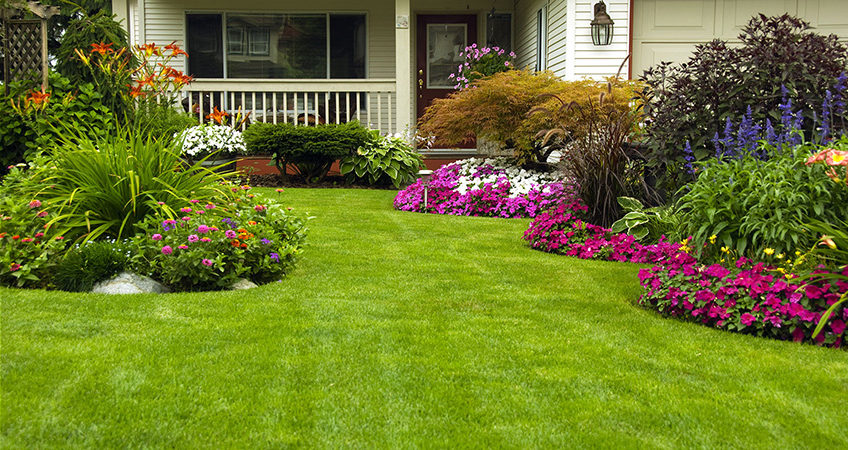
Now that summer is here, it's time to be thinking about how to keep your lawn looking its best. Mowing your lawn is an essential part of lawn care, and knowing the right tips and techniques can make a significant difference in the health and appearance of your grass. In this blog post, we will share various tips for mowing your lawn so that you can improve the health and look of your grass for the summer season. These suggestions will assist you in getting a lush, colorful lawn that you can enjoy all summer long, whether you prefer to handle it yourself or hire a lawn care service.
For most lawns in PA & NJ the important things to keep in mind when mowing your grass are to raise your mower to about 3 to 3½ inches during summer, mow often enough that you remove no more than one-third of the grass blade at once, and avoid mowing when the lawn is wet or stressed by heat and drought.
How High Should You Mow Your Lawn in Summer?
Setting the proper mowing height is among the most essential lawn maintenance factors to consider. Different types of grass have different optimal heights, so it's crucial to know what type of grass you have and adjust your mower accordingly. The right mowing height will encourage healthy grass growth and aid in soil shading, which limits the growth of weeds.
Most lawns in Pennsylvania and New Jersey contain grasses that prefer cooler weather - such as tall fescue, Kentucky bluegrass, perennial ryegrass, or blends - and can become stressed during hot, dry summer periods. That is why it is important to avoid mowing too short in summer. Taller grass shades the soil, helps conserve moisture, encourages deeper roots, and makes it harder for weeds to establish during hot weather.
How Much Grass Should You Cut at One Time?
A single mowing session shouldn't remove more than one-third of the grass height from your lawn. Cutting too much all at once can stress the grass and cause scalping, which leaves the lawn more vulnerable to weed infestations and disease. If your grass is too long, gradually cut it down over several mowing sessions until it reaches the desired height.
Why Do Sharp Mower Blades Matter?
Instead of giving the grass a clean cut, dull mower blades might tear it, which can cause browning and increased susceptibility to pests and lawn diseases. For the sake of keeping your grass healthy, you must frequently sharpen your mower blades. If you have a big lawn, you should sharpen your blades more frequently than once a year. Sharp blades will give your grass a neat and even appearance, promoting optimal growth.
Should You Mow in the Same Direction Each Time?
Change mowing direction each time you cut the lawn - horizontal one week, vertical or diagonal the next. Alternating patterns helps prevent grass from developing a permanent lean, reduces visible mower tracks, and encourages a more upright, even-looking lawn. Additionally, avoid making tight turns in the same places each time, especially with a riding mower, because repeated traffic can leave ruts and compact the soil along those paths.
Is It Better to Mow Wet or Dry Grass?
Mowing when your lawn is dry is best. Mowing damp grass can result in clumping and uneven cuts, which can suffocate the grass underneath. For a cleaner, more precise cut, it is ideal to mow your lawn when the grass is dry. Furthermore, damp grass can jam the mower and make mowing more difficult.
Should You Leave Grass Clippings on the Lawn?
Contrary to popular belief, there are some advantages to leaving grass clippings on your lawn. Grass clippings serve as a kind of organic mulch that helps soil retain moisture, control weed growth, and release nutrients as it decomposes. This procedure, referred to as "grasscycling," can lessen the demand for fertilizer and improve the health of your lawn.
Leave short, dry grass clippings on the lawn whenever possible. They return nutrients to the soil and do not cause thatch. However, if the grass was allowed to become overly tall and the clippings form thick clumps, rake up or redistribute those clumps so they do not block sunlight or smother the grass.
How Often Should You Mow Your Lawn in Summer?
Maintaining an ideal height can be accomplished by adjusting your mow frequency in accordance with grass growth. During periods of active growth, such as in Spring, you may need to mow weekly or more often. During hot, dry stretches, grass may grow more slowly or go partially dormant, so mowing may be needed less often. The goal is not to mow every Saturday - it is to maintain the proper height without removing more than one-third of the blade.
Should You Mow a Lawn During a Heat Wave or Drought in PA & NJ?
During a heat wave or drought, avoid mowing your lawn too short. Raise your mower height and mow only as needed to keep the grass from becoming overly tall, since taller grass helps shade the soil and retain moisture. If the lawn looks wilted, gray-green, or shows footprints after you walk across it, wait to mow until conditions improve. If your lawn does go dormant during a very hot and dry period, follow these tips for how to care for a dormant lawn during hot, dry weather.
Need Help Maintaining Your Lawn This Summer?
Proper lawn mowing techniques are crucial for achieving a healthy and vibrant lawn during the summer season. Whether you choose to do it yourself or hire a lawn care service, following these tips from Bluegrass Lawn Service & Landscaping, Inc. will help you maintain a well-manicured and thriving lawn. By implementing these tips, you'll be on your way to enjoying a beautiful and lush lawn throughout the summer months.