
30 Sep 2026
house during the fall Winterized Landscape Plants & Foliage

Fall Lawn Care Tips: Aeration, Overseeding, and Weed Control

Quick answer: The best time to aerate and overseed a lawn in PA and NJ is September through October, while the soil is still warm and nights are cool. Fall is also the ideal season to mulch fallen leaves and apply fertilizer or weed control, since these steps repair summer damage and set the lawn up for a healthy spring.

Preparing your lawn in the fall is one of the most important steps toward a healthy yard next spring. As temperatures cool and the growing season winds down, it's the ideal time to evaluate the damage caused by summer heat, drought, and foot traffic, and to take the steps that will repair and protect your lawn before winter. Below, Blue Grass Lawn Service & Landscaping, Inc. breaks down the four things every homeowner should do this fall: aerate and overseed, mulch leaves, fertilize and control weeds, and mow and water correctly.

Why Is Fall the Best Time for Lawn Care?

Fall conditions - warm soil, cool air, and dying annual weeds - create the best environment of the year for grass to recover and take root. Spring soil, by contrast, is still cold and compacted, and dormant weeds are about to start their growth cycle. Cooler days and nights between September and October help new grass seed retain moisture, while fewer weeds compete with it for space and nutrients. That combination is why lawn care professionals treat fall, not spring, as the true start of next year's lawn.

Tip #1: Aerate and Overseed Your Lawn

Aeration is the process of creating thousands of small holes across the lawn so that water, air, and nutrients can reach grass roots more easily. Over the summer, soil becomes compacted from heat, heavy rain, and foot traffic, which makes it harder for those essentials to get through. Overseeding after aeration fills in thin or bare patches, thickens the lawn, and builds resistance to insects and disease, because the fresh holes create an ideal seedbed while also relieving compaction underneath the new grass.

When should you aerate and overseed?

The best window is September through October, while the ground is still warm enough for seeds to germinate but weeds have largely stopped competing for space. Aerating too early, while summer weeds are still active, or too late, once the soil turns cold, reduces how well new seed takes hold.

How Blue Grass Lawn Service & Landscaping, Inc. approaches aeration

Blue Grass Lawn Service & Landscaping, Inc. uses ride-on core aerators with heavy, weighted tines to perforate the soil with thousands of small holes, pulling out real plugs of soil rather than simply poking the surface. That deeper penetration lets grass seed grow down into the soil instead of sitting on top of it, so new grass germinates faster and develops stronger, deeper roots.

Pro tip: Before aeration day, mark any in-ground sprinkler heads and clear the yard of hoses, toys, or furniture — aerators can seriously damage irrigation equipment they can't see.

Tip #2: Mulch Fallen Leaves

Fall's color change is one of the season's most enjoyable qualities, but once leaves hit the ground, they become a problem for your lawn. A thick layer of fallen leaves blocks sunlight from reaching the grass underneath, which weakens and thins it — and leaves can pile up even on properties with few trees, carried in by wind from elsewhere. Mulching leaves with a mower, rather than bagging or raking them away, breaks them down into small pieces that return nutrients to the soil while still letting sunlight and air reach the grass.

Tip #3: Fertilize and Control Weeds

Fall is one of the most effective times of year to get ahead of dandelions and other annual and perennial weeds, because treating them now helps prevent them from returning in spring. Fertilizing at the same time gives grass the nutrients it needs to grow strong roots before winter, helping it survive cold weather and come back thicker and more weed-resistant next season.

A few timing details matter here: crabgrass preventer should never be applied at the same time as new grass seed, since it stops seeds from germinating along with the weeds. Similarly, weed control for dandelions, clover, and other broadleaf weeds should wait until new grass has germinated and been mowed three or four times, so it doesn't damage the young seedlings.

Tip #4: Mow and Water Correctly After Seeding

Newly seeded lawns need a different mowing and watering routine than an established lawn. Wait at least a week after seeding before the first mow, and cut to a height of 2.5 to 3 inches, leaving the clippings on the lawn to return nutrients to the soil. New seed also needs consistent moisture — light, frequent watering is best right after seeding, tapering to about one inch of water every other week as the grass establishes.

Frequently Asked Questions About Fall Lawn Care

When should I aerate my lawn in the fall?

The ideal window for aeration and overseeding is September through October. Warm soil and cool nights during this period give grass seed the best chance to germinate before winter, while dormant weeds are less likely to compete for space.

Can I fertilize and apply weed control at the same time in the fall?

Yes, fertilizing and weed control are often done together in the fall, since both help the lawn recover from summer stress and prevent weeds from returning in spring. The one exception is newly seeded areas: avoid crabgrass preventer when seeding, and hold off on broadleaf weed control until the new grass has been mowed three or four times.

Should I rake or mulch fall leaves?

Mulching is generally better than raking for lawn health. A mower that shreds leaves into small pieces returns nutrients to the soil while still letting sunlight reach the grass, whereas a thick layer of whole leaves left on the lawn can block light and weaken the turf underneath.

How much water does new grass seed need?

New seed needs light, frequent watering right after it's planted to keep the soil surface consistently moist. As the grass establishes, that can taper to about one inch of water every other week.

How long has Blue Grass Lawn Service & Landscaping, Inc. been serving this area?

Blue Grass Lawn Service & Landscaping, Inc. has provided lawn care services to homeowners and property owners throughout Bucks and Montgomery counties in Pennsylvania and Mercer County, New Jersey for over 40 years.

Get Professional Help With Fall Lawn Preparation

Preparing a lawn for winter takes real time and precision, and it's easy for DIY aeration, seeding, or weed control to fall short without the right equipment, products, and timing. Blue Grass Lawn Service & Landscaping, Inc. has provided fall lawn services to home and property owners in New Jersey and Pennsylvania for over 40 years. If you'd like help preparing your lawn this fall, reach out to our team today.
01 Sep 2026
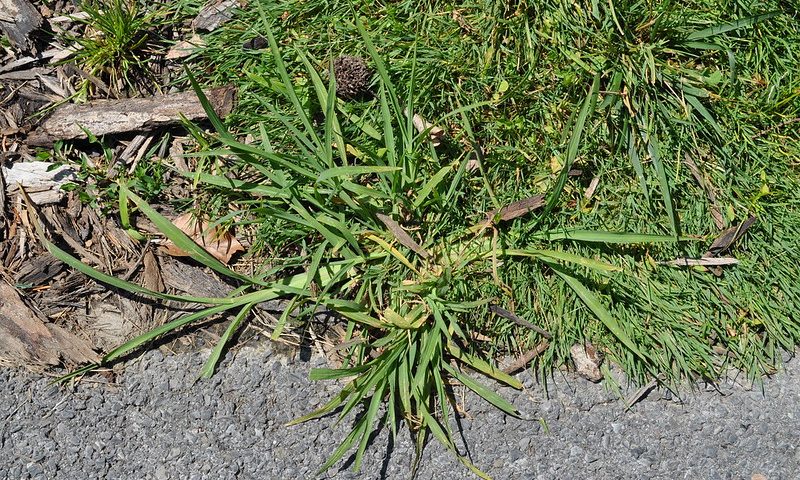
image of crabgrass

How to Get Rid of Crabgrass in Pennsylvania and New Jersey

To get rid of crabgrass in PA and NJ, apply a pre-emergent herbicide in early-to-mid spring before soil temperatures trigger germination, treat any plants that still emerge with a post-emergent herbicide, and thicken the lawn through proper mowing, watering, and overseeding so crabgrass has fewer bare spots to colonize. Crabgrass is a warm-season annual grass that commonly appears in thin or stressed lawns during summer in PA and NJ, which is why lawn density plays such a large role in long-term control.

Understanding the Crabgrass Growth Cycle

The first step to effectively treating your crabgrass problem is understanding how it grows. Crabgrass is a warm-season annual weed. Its seeds typically begin germinating in the spring as soil temperatures warm, with additional germination possible into early or midsummer. The plants grow throughout the summer, produce seeds later in the season, and die after the first hard frost. 

Crabgrass is especially likely to establish in areas where the lawn is thin, weak, compacted, or otherwise stressed. When the turf does not fully cover the soil, more sunlight reaches the ground and creates favorable conditions for crabgrass seeds to germinate.

Although each crabgrass plant lives for only one growing season, mature plants can produce up to 150,000 seeds during the growing season. Some of those seeds may remain dormant in the soil and germinate during a future growing season when conditions are favorable. This is why effective crabgrass control requires more than treating the plants you can currently see. A long-term strategy should prevent as many seeds as possible from germinating, control young plants before they produce additional seed, and strengthen thin areas of the lawn where crabgrass is most likely to return.

What is the difference between pre-emergence and post-emergence treatments?

The main difference is that pre-emergence treatment prevents crabgrass from establishing. Post-emergence treatment targets plants that have already emerged. Many lawns need a season-long strategy that includes both prevention and selective treatment. Both pre-emergence and post-emergence treatments can help control crabgrass. However, properly timed pre-emergence treatment is generally the most effective way to prevent a widespread crabgrass problem, while post-emergence treatment is used to control plants that have already appeared.

Treatment What it does When it is used
Pre-emergence Prevents many crabgrass seeds from successfully establishing Before crabgrass germinates in spring
Post-emergence Controls crabgrass plants that are already visible During the growing season, while plants are actively growing

Preventing Crabgrass with Pre-Emergent Treatment

Pre-emergent treatment is the foundation of an effective crabgrass-control plan. Unlike post-emergent products, which target crabgrass that is already visible, pre-emergent herbicides create a barrier in the soil that prevents newly germinated crabgrass seedlings from becoming established.

With this type of treatment, timing is critical. Pre-emergent treatment must be applied before crabgrass seeds begin to germinate. In Pennsylvania and New Jersey, the ideal application window can vary depending on the location, spring temperatures, soil conditions, and the specific product being used. Penn State Extension notes that crabgrass pre-emergent applications may begin as early as mid-March in some parts of Pennsylvania and occur later in cooler areas. For Southeastern PA, the timeframe is generally between March 15 - April 15, but yearly weather conditions will affect this.

Once applied, most pre-emergent products must be watered into the soil according to the label instructions. The treatment barrier can also be disrupted by digging, aeration, or other soil disturbance, potentially creating areas where crabgrass can emerge.

It is also important to consider any plans for seeding or overseeding the lawn. Many pre-emergent herbicides can prevent desirable grass seed from establishing along with crabgrass, so the timing of weed prevention and lawn renovation must be coordinated carefully.

Pre-emergent treatment can significantly reduce crabgrass, but it does not eliminate every seed or correct the conditions that allowed crabgrass to thrive. The best long-term results come from combining properly timed treatment with practices that encourage a thick, healthy lawn, such as appropriate mowing, fertilization, watering, and repair of thin or bare areas.

Blue Grass Lawn Service & Landscaping applies crabgrass pre-emergent twice - once in early spring and again in late spring -as part of both of our lawn care plans to provide more consistent protection throughout the growing season. The first application helps prevent crabgrass seeds from germinating as soil temperatures begin to rise. The second application overlaps with and extends that protection later into the summer, when changing weather conditions can reduce the effectiveness of a single treatment. By using this two-application approach, Blue Grass Lawn Service & Landscaping creates a longer-lasting pre-emergent barrier and helps reduce the likelihood of crabgrass breaking through before its growing season ends.

Treating Existing Crabgrass with Post-Emergent Treatment

Once crabgrass has appeared in a lawn, a post-emergent treatment may be used to control the actively growing plants. Unlike pre-emergent products, which prevent new seedlings from becoming established, post-emergent herbicides are applied directly to crabgrass that has already emerged.

Timing still matters. Young crabgrass is generally easier to control than mature plants that have produced multiple shoots or begun developing seedheads. Penn State Extension notes that post-emergent herbicides can be applied specifically to areas where summer annual grassy weeds have emerged, rather than treating the entire lawn unnecessarily.

Different post-emergent products use different active ingredients and are not equally suitable for every lawn. Product selection may depend on the type of turfgrass, the size and maturity of the crabgrass, weather conditions, and whether the lawn will be seeded or overseeded. Some crabgrass infestations may also require more than one application for satisfactory control.

Post-emergent treatments tend to work best when crabgrass is actively growing and the surrounding lawn is not under severe heat or drought stress. Applying an unsuitable product, treating mature plants too late in the season, or failing to follow label directions can lead to poor control or damage to desirable grass.

Although post-emergent treatment can reduce existing crabgrass, it does not prevent additional seeds in the soil from germinating in future growing seasons. For lasting results, it should be combined with properly timed pre-emergent treatment and lawn-care practices that encourage thick, healthy turf.

How a Healthier Lawn Helps Prevent Crabgrass

Crabgrass is opportunistic, which means it is most likely to establish where the lawn is thin, weak, or bare. In these areas, there is less competition from desirable grass, more exposed soil, and more sunlight reaching the ground, all of which create favorable conditions for crabgrass seeds to germinate and grow.

A thick, healthy lawn helps crowd out crabgrass by occupying the available space and competing for sunlight, water, and nutrients. Overseeding thin areas can improve turf density and reduce the open spaces where crabgrass and other weeds are likely to take hold. Combined with proper mowing, watering, fertilization, and soil care, maintaining dense turf is one of the most important long-term strategies for reducing future crabgrass problems.

When to Call a Lawn Care Professional for Crabgrass

Effective crabgrass control involves more than applying a weed-control product. A lawn care professional can identify the grassy weed correctly, evaluate how mature it is, and determine whether pre-emergent treatment, post-emergent treatment, or a combination of approaches is most appropriate.

A professional can also consider factors that may be contributing to the problem, including thin turf, compacted soil, mowing practices, heat stress, and bare areas where crabgrass can become established. This makes it possible to address both the visible weeds and the lawn conditions that may allow them to return.

Blue Grass Lawn Service & Landscaping has more than 43 years of experience caring for lawns in Pennsylvania and New Jersey, including Bucks County and the surrounding communities in both states. Our long-standing, trained staff uses only high-quality products and applies treatments according to the condition of the lawn, the stage of crabgrass growth, and the needs of the surrounding turf.

Because crabgrass control often requires proper timing and follow-up care, working with an experienced lawn care team can help homeowners avoid ineffective treatments, reduce the risk of damaging desirable grass, and build a healthier, thicker lawn that is better able to resist future weed growth.

Frequently Asked Questions About Crabgrass Control

How do I get rid of crabgrass permanently?

No single treatment removes crabgrass permanently, since new seeds can blow in or lie dormant in the soil for years. The most reliable long-term approach combines a properly timed pre-emergent application each spring, prompt post-emergent treatment of any plants that break through, and lawn-care practices such as mowing height, watering, and overseeding that keep turf thick enough to crowd crabgrass out.

When should I apply crabgrass pre-emergent in PA and NJ?

In Southeastern Pennsylvania and New Jersey, pre-emergent is generally applied between mid-March and mid-April, before soil temperatures rise enough for crabgrass seeds to germinate. Exact timing shifts slightly from year to year based on spring weather, which is why Blue Grass Lawn Service & Landscaping applies it in two rounds for more consistent coverage.

Can I overseed my lawn if I've already applied pre-emergent?

Not without careful timing. Most pre-emergent herbicides prevent grass seed from establishing along with crabgrass seed, so overseeding usually needs to happen either well before the pre-emergent application or several weeks after it, depending on the product label.

Does mowing high help control crabgrass?

Yes. Mowing at a higher height helps desirable turf shade the soil surface, which reduces the sunlight crabgrass seeds need to germinate. Combined with proper watering and fertilization, taller mowing is one of the simplest ways to make a lawn less hospitable to crabgrass.

Learn more about our treatment plans or give us a call at (215) 364-7000 for a FREE quote!


Featured Image: "Large crabgrass," by  NY State IPM Program at Cornell University, licensed under CC BY 2.0.

06 Apr 2026

Tips for Recovering a Dormant Lawn

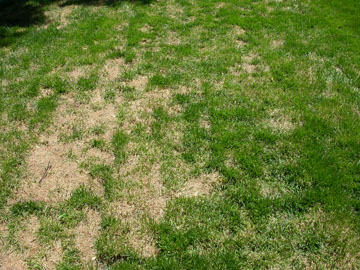
A dormant lawn can be one of the more unsightly attractions for homeowners. Everyone wants their lawn to look healthy and vibrant. However when dealing with a dormant lawn, the grass will look brown and withered. This is a stark contrast to the green and lush appearance of a healthy lawn that every homeowner attempts to maintain. The keys to recovering your dormant lawn include watering deeply and infrequently, mowing high (don’t cut the grass too short), removing grass carefully, mulching instead of bagging, and if you really can’t keep up with watering when the weather turns really hot, allowing your grass go dormant.

What causes a dormant lawn?

In many instances, lawn dormancy is caused by outside factors that are out of the lawn keeper’s control. Grass entering the dormancy phase essentially means that your lawn is going to sleep for an extended period of time.

Dormancy is a naturally occurring cycle that all types of grasses will employ, in an effort to conserve water and nutrients. Oftentimes this cycle will occur during the winter, but it can also happen during longer periods of drought in the warmer months as well. When a lawn goes dormant, one might think that there is no way of bringing it back to a healthy state. However, there are measures that can be taken to revive the dormant grass and return to its natural green appearance. Continue reading to learn more about our tips for recovering a dormant lawn. 

How can you recover your dormant lawn?

Water deeply and infrequently. If you’re going to water your lawn, then deep, infrequent watering will go a long way to help lawns cope with dry conditions. Early morning watering (5 a.m. to 9 a.m.) is ideal. This ensures the grass gets the moisture it needs and reduces evaporation. Watering your lawn late in the day or a night causes fungus and disease to attack your lawn. A  weakened lawn most certainly does not need more stress by keeping your lawn wet while it is dark.

Mow high. For some homeowners, there is a temptation to cut the grass short so that you don’t need to mow as often, however, this can have negative consequences. Mowing too short during dry conditions can injure or wear out dormant grasses to the point where they may not come back during cooler conditions. It will also further stress your lawn causing it to be more susceptible to fungus and disease damage. Mowing high gives the lawn a deeper and larger root system, keeps moisture in, defends against weeds, and keeps the soil cooler, so during dry times, set your mower height to 3 to 4 inches.

Mulch instead of bagging. Mulch your lawn instead of bagging the clippings. Grass clippings serve as a kind of organic mulch that helps soil retain moisture, control weed growth, and release nutrients as it decomposes.

Maintain your lawn equipment. Sharpen your lawn mower blades twice a  year. A dull blade tears at the grass, forcing it to use 40–60% more water to recover.

Remove grass carefully. Just as a reminder, never remove more than one-third of the grass at one time. It will cause too much stress on the grass. So, even if looking out at your brown lawn causes you grief, take these recommended steps instead of ripping it all out.

If you can’t water regularly, let your lawn go dormant when the weather turns hot. Dormancy means active shoot growth will stop. Grasses may turn brown, and some may die, but the crown, rhizomes, and roots are still alive. 

During this time, you want to apply just enough water to keep the turf alive until conditions improve. The best recommendation when the lawn is in dormancy is to provide a ¼ to ½ inch of water every two to four weeks. Keep an eye on the weather conditions, because you do not want to bring the turf out of dormancy too early. Breaking dormancy early actually will drain reserves within the plant if conditions remain dry. Once it cools down or rain starts to fall, shoot growth will begin again, and the lawn will green up.

During this time, you want to apply just enough water to keep the turf alive until conditions improve. The best recommendation when the lawn is in dormancy is to provide a ¼ to ½ inch of water every two to four weeks. Keep an eye on the weather conditions, because you do not want to bring the turf out of dormancy too early. Breaking dormancy early actually will drain reserves within the plant if conditions remain dry. Once it cools down or rain starts to fall, shoot growth will begin again, and the lawn will green up.

Maintaining a lawn during a drought takes a bit more care than usual. When you implement these tips for recovering a dormant lawn, you will help keep the turf healthy during the worst periods of any extended dry spell.

FAQs about maintaining your lawn

If you need further assistance with maintaining your lawn, reach out to a professional lawn care service. Blue Grass Lawn Service & Landscaping Inc. has been providing their lawn services to homeowners in New Jersey and Pennsylvania for over 40 years.

Need some more help? Reach out today to talk with our lawn care experts!

22 May 2023

How to Mow Your Lawn in Summer: 7 Tips for Healthier Grass in Pennsylvania & New Jersey

Now that summer is here, it's time to be thinking about how to keep your lawn looking its best. Mowing your lawn is an essential part of lawn care, and knowing the right tips and techniques can make a significant difference in the health and appearance of your grass. In this blog post, we will share various tips for mowing your lawn so that you can improve the health and look of your grass for the summer season. These suggestions will assist you in getting a lush, colorful lawn that you can enjoy all summer long, whether you prefer to handle it yourself or hire a lawn care service.

For most lawns in PA & NJ the important things to keep in mind when mowing your grass are to raise your mower to about 3 to 3½ inches during summer, mow often enough that you remove no more than one-third of the grass blade at once, and avoid mowing when the lawn is wet or stressed by heat and drought.

How High Should You Mow Your Lawn in Summer?

Setting the proper mowing height is among the most essential lawn maintenance factors to consider. Different types of grass have different optimal heights, so it's crucial to know what type of grass you have and adjust your mower accordingly. The right mowing height will encourage healthy grass growth and aid in soil shading, which limits the growth of weeds.

Most lawns in Pennsylvania and New Jersey contain grasses that prefer cooler weather - such as tall fescue, Kentucky bluegrass, perennial ryegrass, or blends - and can become stressed during hot, dry summer periods. That is why it is important to avoid mowing too short in summer. Taller grass shades the soil, helps conserve moisture, encourages deeper roots, and makes it harder for weeds to establish during hot weather.

How Much Grass Should You Cut at One Time?

A single mowing session shouldn't remove more than one-third of the grass height from your lawn. Cutting too much all at once can stress the grass and cause scalping, which leaves the lawn more vulnerable to weed infestations and disease. If your grass is too long, gradually cut it down over several mowing sessions until it reaches the desired height.

Why Do Sharp Mower Blades Matter?

Instead of giving the grass a clean cut, dull mower blades might tear it, which can cause browning and increased susceptibility to pests and lawn diseases. For the sake of keeping your grass healthy, you must frequently sharpen your mower blades. If you have a big lawn, you should sharpen your blades more frequently than once a year. Sharp blades will give your grass a neat and even appearance, promoting optimal growth.

Should You Mow in the Same Direction Each Time?

Change mowing direction each time you cut the lawn - horizontal one week, vertical or diagonal the next. Alternating patterns helps prevent grass from developing a permanent lean, reduces visible mower tracks, and encourages a more upright, even-looking lawn. Additionally, avoid making tight turns in the same places each time, especially with a riding mower, because repeated traffic can leave ruts and compact the soil along those paths.

Is It Better to Mow Wet or Dry Grass?

Mowing when your lawn is dry is best. Mowing damp grass can result in clumping and uneven cuts, which can suffocate the grass underneath. For a cleaner, more precise cut, it is ideal to mow your lawn when the grass is dry. Furthermore, damp grass can jam the mower and make mowing more difficult.

Should You Leave Grass Clippings on the Lawn?

Contrary to popular belief, there are some advantages to leaving grass clippings on your lawn. Grass clippings serve as a kind of organic mulch that helps soil retain moisture, control weed growth, and release nutrients as it decomposes. This procedure, referred to as "grasscycling," can lessen the demand for fertilizer and improve the health of your lawn. 

Leave short, dry grass clippings on the lawn whenever possible. They return nutrients to the soil and do not cause thatch. However, if the grass was allowed to become overly tall and the clippings form thick clumps, rake up or redistribute those clumps so they do not block sunlight or smother the grass.

How Often Should You Mow Your Lawn in Summer?

Maintaining an ideal height can be accomplished by adjusting your mow frequency in accordance with grass growth. During periods of active growth, such as in Spring, you may need to mow weekly or more often. During hot, dry stretches, grass may grow more slowly or go partially dormant, so mowing may be needed less often. The goal is not to mow every Saturday - it is to maintain the proper height without removing more than one-third of the blade.

Should You Mow a Lawn During a Heat Wave or Drought in PA & NJ?

During a heat wave or drought, avoid mowing your lawn too short. Raise your mower height and mow only as needed to keep the grass from becoming overly tall, since taller grass helps shade the soil and retain moisture. If the lawn looks wilted, gray-green, or shows footprints after you walk across it, wait to mow until conditions improve. If your lawn does go dormant during a very hot and dry period, follow these tips for how to care for a dormant lawn during hot, dry weather.

Need Help Maintaining Your Lawn This Summer?

Proper lawn mowing techniques are crucial for achieving a healthy and vibrant lawn during the summer season. Whether you choose to do it yourself or hire a lawn care service, following these tips from Bluegrass Lawn Service & Landscaping, Inc. will help you maintain a well-manicured and thriving lawn. By implementing these tips, you'll be on your way to enjoying a beautiful and lush lawn throughout the summer months.